
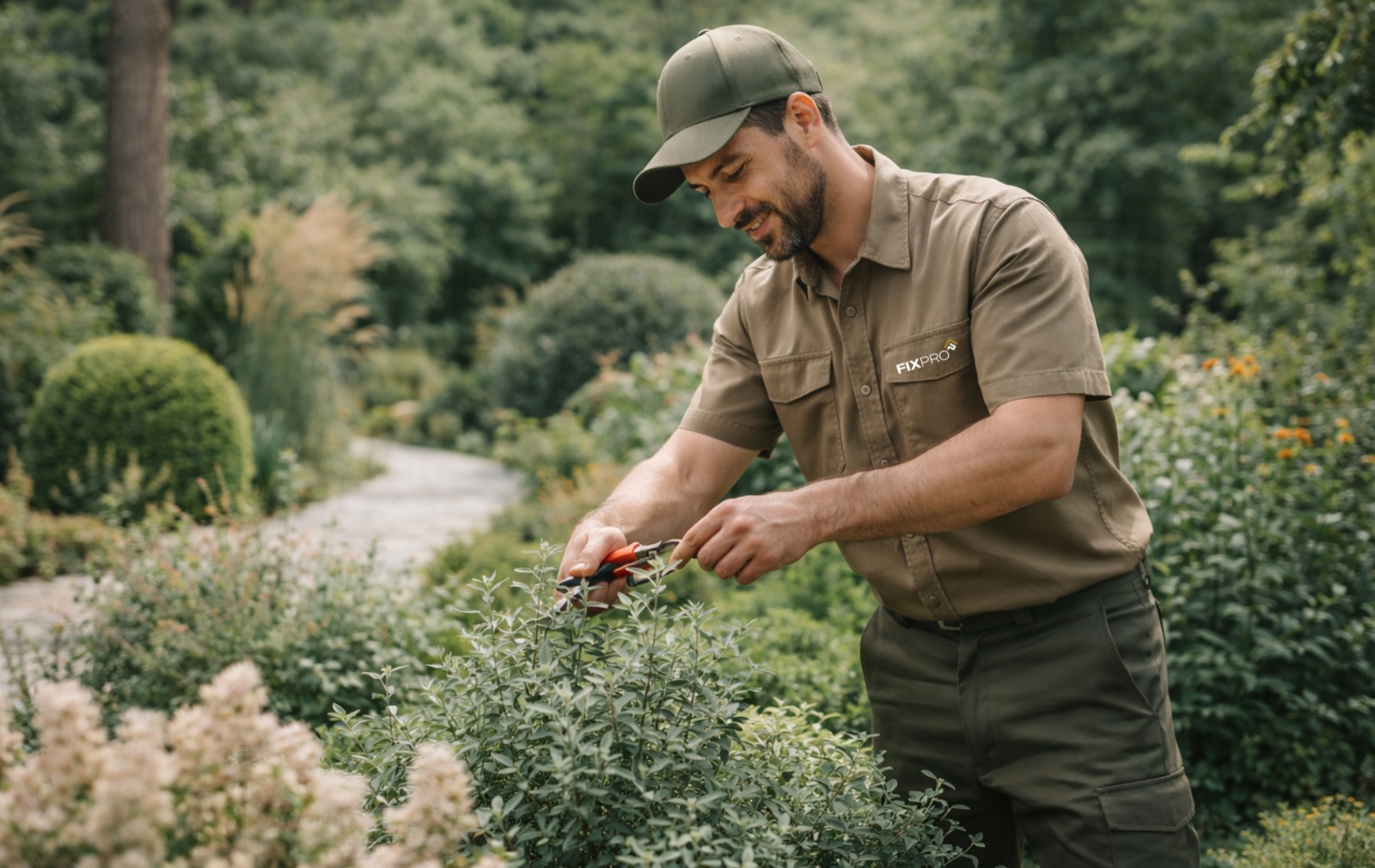
How Greenscaping Improves Property Value and Comfort
In a world where outdoor spaces are becoming just as important as interiors, greenscaping has emerged as the most effective way to transform gardens, terraces, lawns, and commercial landscapes into beautiful, healthy, and sustainable environments. Greenscaping is not just about planting trees or adding grass – it is a strategic approach to outdoor design that blends nature, sustainability, and functionality to enhance the value, comfort, and ecological impact of a space.
Whether you own a villa, apartment complex, commercial building, or hospitality property, greenscaping helps you create outdoor spaces that look stunning, improve air quality, reduce heat, conserve water, and support long-term environmental health. In this complete guide, we explore how greenscaping works, why it matters, and how you can implement it effectively.
Greenscaping: A Complete Guide to Enhancing Your Garden and Outdoor Spaces
Greenscaping is the art and science of designing outdoor spaces using plants, natural materials, sustainable layouts, and eco-friendly practices. Unlike traditional landscaping, which focuses mainly on appearance, greenscaping focuses on environmental balance, efficiency, and long-term performance.
A well-designed greenscaped area improves soil quality, supports biodiversity, reduces water consumption, and creates natural cooling. It also enhances the visual appeal of a property, making it more attractive to residents, guests, and investors.
As cities become denser and climates grow warmer, greenscaping is becoming essential for healthier and more livable environments.
What is Greenscaping and Why It Matters
Greenscaping is a modern approach to landscaping that integrates sustainability, aesthetics, and environmental responsibility. It includes selecting the right plants, designing smart irrigation systems, using eco-friendly materials, and creating layouts that work with nature instead of against it.
Why does greenscaping matter?
Urban environments suffer from heat, pollution, poor air quality, and water waste. Greenscaping addresses these issues by introducing green cover that absorbs heat, filters air, manages rainwater, and creates cooler microclimates.
Properties with effective greenscaping also enjoy:
- Higher real estate value
- Better occupant wellbeing
- Lower energy and water bills
- Stronger environmental credentials
In both residential and commercial settings, greenscaping turns outdoor areas into functional, breathable, and beautiful spaces.
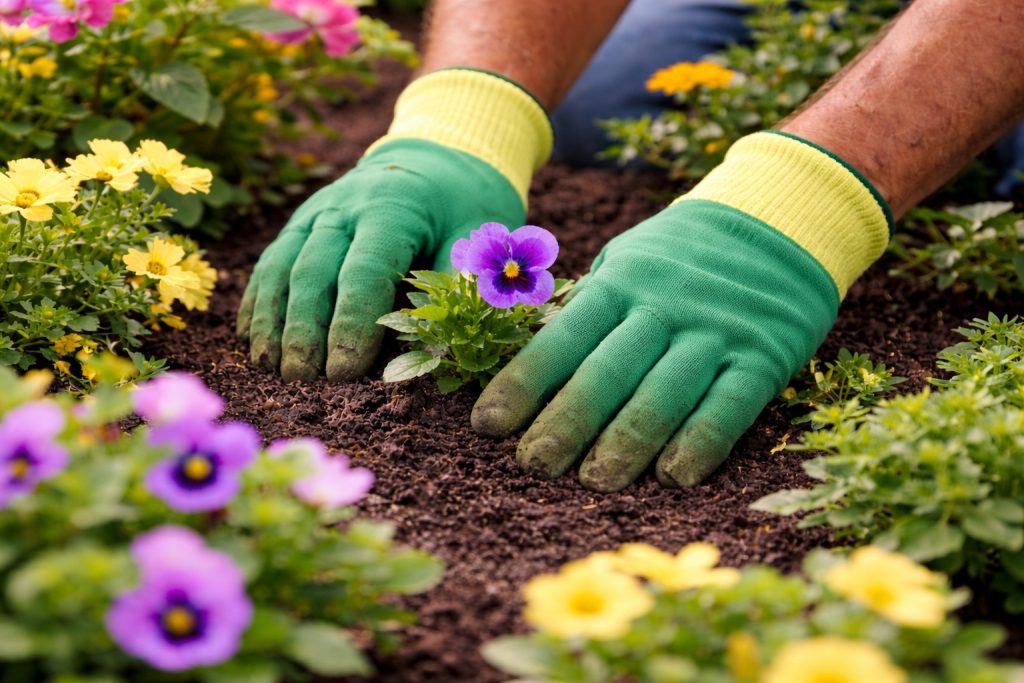
Benefits of Greenscaping for Your Home and Environment
The advantages of greenscaping go far beyond visual beauty. When implemented properly, it delivers measurable environmental and financial benefits.
1. Improves Air Quality
Plants absorb carbon dioxide and release oxygen. Greenscaping introduces more plant life into built environments, helping remove pollutants and improving the air people breathe.
2. Reduces Heat
Green spaces cool their surroundings naturally through shade and evaporation. This helps lower outdoor temperatures and reduces the heat absorbed by buildings.
3. Conserves Water
Modern greenscaping uses drip irrigation, native plants, and soil treatments that significantly reduce water usage compared to traditional lawns.
4. Enhances Property Value
A well-maintained greenscaped property looks premium, inviting, and professionally managed — which increases its market appeal.
5. Supports Biodiversity
Greenscaping creates habitats for birds, insects, and beneficial organisms, restoring balance in urban ecosystems.
How to Implement Greenscaping in Your Garden
Implementing greenscaping begins with understanding your space, climate, and goals. Whether you are working with a small garden or a large commercial site, the principles remain the same.
Start by assessing:
- Sun exposure
- Soil type
- Water availability
- Existing vegetation
- Usage needs
Then design your greenscape around efficiency, aesthetics, and sustainability. This includes selecting the right plants, planning irrigation, using natural materials, and designing paths, lawns, and shaded areas that enhance both beauty and usability.
Key Principles of Greenscaping for a Beautiful Outdoor Space
Every successful greenscaping project follows a few core principles:
Natural Balance
Greenscaping should complement the local climate and ecosystem. Native plants require less water, grow better, and support local wildlife.
Functionality
Paths, seating areas, lawns, and gardens should be arranged for comfort, movement, and practical use.
Sustainability
Everything from plant selection to irrigation and soil treatment should minimize waste and maximize environmental benefit.
Low Maintenance
A well-planned greenscape should thrive without constant heavy maintenance or excessive water and chemicals.
Sustainable Practices in Greenscaping
True greenscaping is rooted in sustainability. This means designing outdoor spaces that consume fewer resources while delivering greater long-term value.
Key sustainable greenscaping practices include:
Water-Efficient Irrigation
Drip irrigation systems and moisture sensors ensure plants get only the water they need.
Soil Health Management
Healthy soil reduces the need for fertilizers and supports stronger plant growth.
Organic Treatments
Natural compost and organic pest control protect both plants and the surrounding environment.
Native and Adaptive Plants
These plants require less water and are more resistant to pests and disease.
Choosing Plants and Materials for Effective Greenscaping
Selecting the right plants is at the heart of greenscaping. The goal is to choose species that thrive in your climate while offering beauty, shade, and environmental benefits.
Good greenscaping plant choices include:
- Native grasses
- Flowering shrubs
- Shade trees
- Ground covers
- Drought-resistant plants
Materials such as natural stone, wood, permeable paving, and organic mulches also enhance sustainability by allowing water to pass through and reducing heat absorption.
Common Greenscaping Mistakes to Avoid
Even well-intentioned greenscaping projects can fail if key mistakes are made.
Avoid these common issues:
Overwatering
Too much water wastes resources and damages roots.
Using Non-Native Plants
These often require more maintenance and struggle in local climates.
Ignoring Drainage
Poor drainage leads to plant death and soil erosion.
Crowded Planting
Plants need space to grow – overcrowding leads to disease and weak growth.
Hiring Professionals for Greenscaping Services
While small greenscaping projects can be DIY, professional greenscaping services ensure the best results for larger or long-term spaces.
Professional greenscapers provide:
- Expert plant selection
- Soil testing and preparation
- Smart irrigation systems
- Sustainable layout design
- Long-term maintenance planning
Hiring specialists ensures that your greenscaping investment delivers beauty, durability, and environmental impact for years to come.
Why Greenscaping is the Future of Outdoor Design
As cities grow and climates change, the demand for green, breathable, and efficient outdoor spaces is increasing rapidly. Greenscaping is no longer a luxury – it is a necessity for healthy, high-value properties.
Whether for homes, offices, resorts, or residential communities, greenscaping creates environments that are more livable, attractive, and sustainable. By investing in greenscaping today, you are building a greener, cooler, and more valuable future.
Greenscaping for Residential Properties
For homeowners, greenscaping is one of the most powerful ways to improve both lifestyle and property value. A well-designed greenscape transforms gardens, terraces, and balconies into peaceful retreats that reduce stress, improve air quality, and provide a natural extension of living spaces.
Greenscaping also helps regulate temperature around the home. Trees and shrubs provide shade that reduces heat buildup, while plants absorb carbon dioxide and release oxygen, creating a healthier micro-environment. Over time, this lowers cooling costs and improves indoor comfort.
Properties with professional greenscaping consistently attract higher resale and rental value because buyers associate lush, well-maintained outdoor spaces with premium living.
Greenscaping for Commercial and Hospitality Spaces
In commercial buildings, hotels, malls, and resorts, greenscaping plays a crucial role in shaping brand perception and customer experience. Green entrances, landscaped courtyards, and rooftop gardens create a welcoming atmosphere that makes people stay longer and feel more relaxed.
For hotels and resorts, greenscaping enhances the guest experience by creating visually stunning, tranquil surroundings. For offices, it improves employee well-being and productivity by offering green spaces for breaks and meetings. Retail centers benefit from higher footfall and better visitor engagement when outdoor areas are beautifully landscaped.
In every commercial setting, greenscaping supports sustainability goals while strengthening the visual identity of the property.
How Greenscaping Increases Long-Term Property Value
One of the most important benefits of greenscaping is its impact on long-term asset value. Properties with well-planned green spaces age better, cost less to maintain, and remain attractive for longer periods.
Green areas reduce surface temperatures, which lowers building stress and maintenance costs. Proper drainage and soil management prevent erosion and water damage. Healthy plant life protects outdoor surfaces from excessive heat and wear.
Over time, these factors translate into higher resale value, stronger rental demand, and improved return on investment.
Greenscaping and Climate Resilience
As weather patterns become more extreme, greenscaping is becoming a critical tool for climate resilience. Plants absorb rainwater, reducing flooding and runoff. Trees provide shade that protects buildings from heat stress. Healthy soil improves water retention and prevents erosion.
By integrating natural systems into outdoor design, greenscaping helps properties adapt to changing climates while maintaining comfort and safety for occupants.
This makes greenscaping not just an aesthetic choice, but a strategic one for future-proofing homes and developments.
Maintaining a Greenscaped Environment
A successful greenscape needs regular care to stay healthy and beautiful. Maintenance includes pruning, fertilizing, irrigation management, pest control, and soil care. With the right maintenance plan, a greenscaped area becomes easier to manage over time rather than harder.
Professional greenscaping services ensure that plants remain healthy, irrigation systems work efficiently, and the overall landscape continues to deliver environmental and visual benefits.
The Growing Demand for Greenscaping
Across the world, more homeowners, developers, and businesses are turning to greenscaping as part of sustainable living and building practices. Green spaces are now seen as essential, not optional.
As urban density increases and natural spaces decrease, greenscaping offers a way to restore balance between built environments and nature – making cities more livable, breathable, and beautiful.
FixPro FM offers professional maintenance and facilities management services in the UAE, including AC, electrical, plumbing, and handyman solutions. Visit fixprofm.com and connect with us on Instagram, Facebook, and WhatsApp for reliable service and updates.